Teeth whitening is a cosmetic dental treatment that lightens the natural colour of your teeth by removing stains and discolouration. It is one of the most commonly requested dental procedures because it is non-invasive and can significantly improve your smile.
Most whitening treatments use hydrogen peroxide or carbamide peroxide as active ingredients. These agents release oxygen molecules that break down stain particles within the tooth, making it appear brighter.
Reputable organisations such as Oral Health Victoria, Colgate and Oral-B emphasise that whitening should always be carried out safely and with appropriate guidance.
Teeth can darken over time due to a range of factors:
Whitening is most effective on yellow-toned staining and less effective on grey or intrinsic discolouration.
There are two main types of stains:
Performed by a dentist using high-concentration whitening agents.
Benefits:
Considerations:
Custom trays are made to fit your teeth, used with professional whitening gel at home.
Benefits:
Dentists often recommend this as the gold standard for balancing safety and effectiveness.
Includes whitening toothpastes, strips, and mouth rinses.
Examples:
Limitations:
In Australia and similar regions, over-the-counter products are limited to very low peroxide concentrations, making them less effective than professional treatments.
Teeth whitening is generally safe when performed under professional guidance. However, there are some important considerations:
Common Side Effects
Sensitivity occurs because whitening agents temporarily open microscopic channels in the tooth (dentinal tubules). This usually resolves within a few days.
When Whitening May Not Be Suitable
Whitening may not be recommended if you have:
To maintain results, you may need periodic top-up treatments.
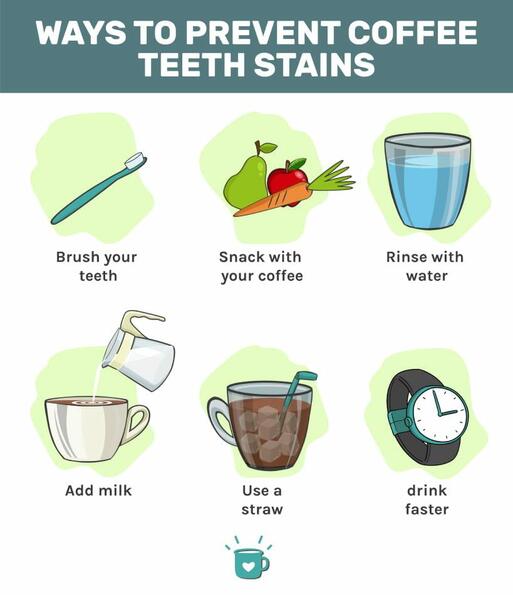
Maintaining your results is just as important as the treatment itself:
Good oral hygiene plays a key role in preventing new stains and maintaining a brighter smile.