Cracked tooth syndrome refers to a small fracture in the tooth, usually affecting the biting surface of a back tooth. These cracks often start on the chewing surface and may propagate deeper into the tooth over time.
Unlike a broken tooth, the pieces have not separated, which is why cracks can be difficult to see and diagnose. If left untreated, the crack can worsen and potentially reach the nerve or root, leading to more serious problems.
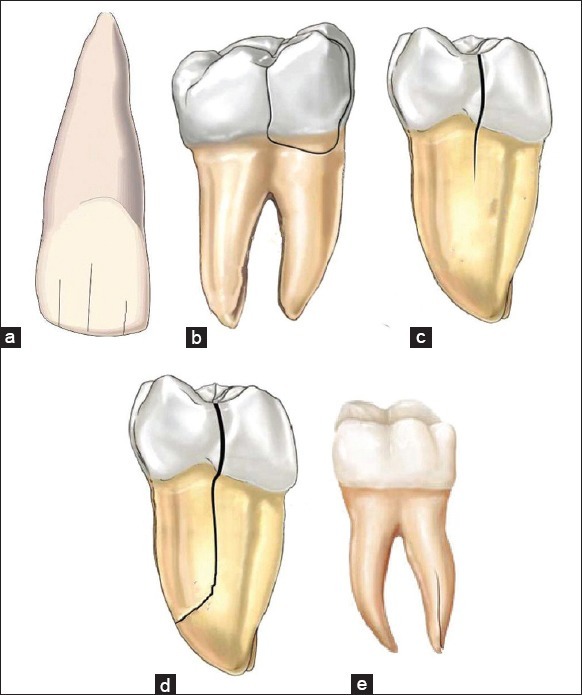
Cracks usually occur due to repeated stress on teeth over time. Common contributing factors include:
These forces can weaken the tooth structure, eventually leading to a crack
One of the most challenging aspects of cracked tooth syndrome is that symptoms can be inconsistent and difficult to pinpoint.
You may notice:
These symptoms occur because the crack allows parts of the tooth to flex under pressure, irritating the nerve inside.
Cracked tooth syndrome is often a "diagnostic challenge" in dentistry. This is because:
Careful clinical examination and specific tests (like bite tests or special lighting) are usually needed to confirm diagnosis.
Treatment depends on how deep the crack is and whether the nerve is involved. Options may include:
1. Early-stage cracks
Monitoring and protective restoration
Bonding or a filling to stabilise the tooth (cusp capping)
2. Moderate cracks
A dental crown to hold the tooth together and prevent crack propagation
3. Deep cracks (nerve involved)
Root canal treatment and dental crown
4. Severe cracks (split tooth or vertical root fracture)
Extraction may be necessary
Early diagnosis is key - the sooner the crack is treated, the better the outcome. Without treatment, cracks can:
Cracked tooth syndrome is common but often overlooked because its symptoms are subtle and variable. With early diagnosis and appropriate treatment, most cracked teeth can be sucessfully managed and preserved.
If you're unsure about any symptoms, it's always worth getting checked - early intervention can save your tooth.