Receding gums—also called gingival recession—occur when the gum tissue pulls away from the tooth, exposing the root surface underneath. This can make teeth appear longer and increase sensitivity because the root is not protected by enamel like the crown of the tooth.
Gum recession is common and can develop gradually over time, often without noticeable symptoms in the early stages.
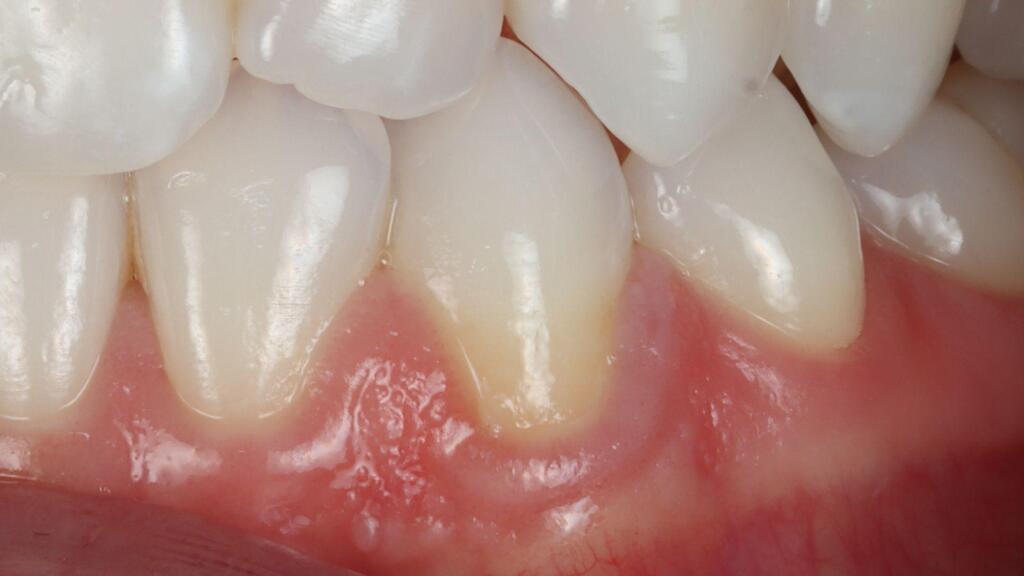
Receding gums usually develop due to a combination of factors. Common causes include:
You may not notice gum recession at first. As it progresses, comon symptoms include:
reatment depends on the cause and severity of the recession.
A dentist or periodontist will guide you on the best option based on your condition.
Prevention focuses on protecting the gums and reducing inflammation:
Consistent oral hygiene is key—early gum disease (gingivitis) is reversible, but advanced disease can lead to permanent gum loss.
Receding gums are common but not something to ignore. While lost gum tissue cannot grow back naturally, the condition can be stabilised and effectively managed with early care, good oral hygiene, and professional treatment when needed.