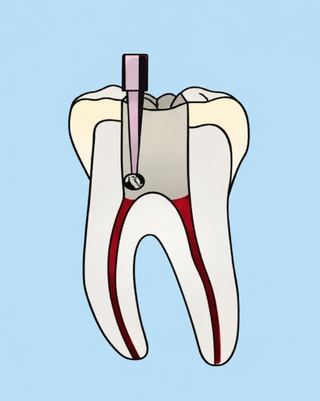
A pulpotomy is a common dental procedure used to treat baby teeth (primary teeth) when tooth decay or trauma has reached the nerve of the tooth. It is sometimes referred to as a “baby root canal,” although it is different from a full root canal treatment. The aim of a pulpotomy is to remove the infected portion of the nerve tissue while keeping the healthy part of the tooth alive and functional.
Pulpotomies are most commonly performed in children to help preserve baby teeth until the adult teeth are ready to come through naturally. Keeping baby teeth healthy is important for chewing, speech development, and maintaining space for permanent teeth.
A pulpotomy may be recommended when:
Signs that a child may need treatment include:
A pulpotomy is usually completed under local anaesthetic so the area is numb and comfortable.
The procedure generally involves:
In many cases, especially for baby molars, the tooth is restored with a stainless steel crown to protect it from fracture and future decay.
If the tooth cannot be predictably saved, extraction may sometimes be recommended instead
Pulpotomies are considered highly successful when performed on appropriately selected teeth. Modern materials and techniques have greatly improved long-term outcomes.
The goal is to keep the baby tooth healthy and functional until it naturally falls out at the correct time.