Non-carious tooth surface loss (NCTSL) refers to the gradual wearing away of tooth structure that is not caused by decay (cavities). Instead, it occurs due to mechanical forces, chemical processes, or a combination of both.
This is a common condition seen in both adults and children, and early recognition is important to prevent long-term damage. Guidance from organisations such as Oral Health Victoria, Colgate, and Oral-B emphasises prevention and early management
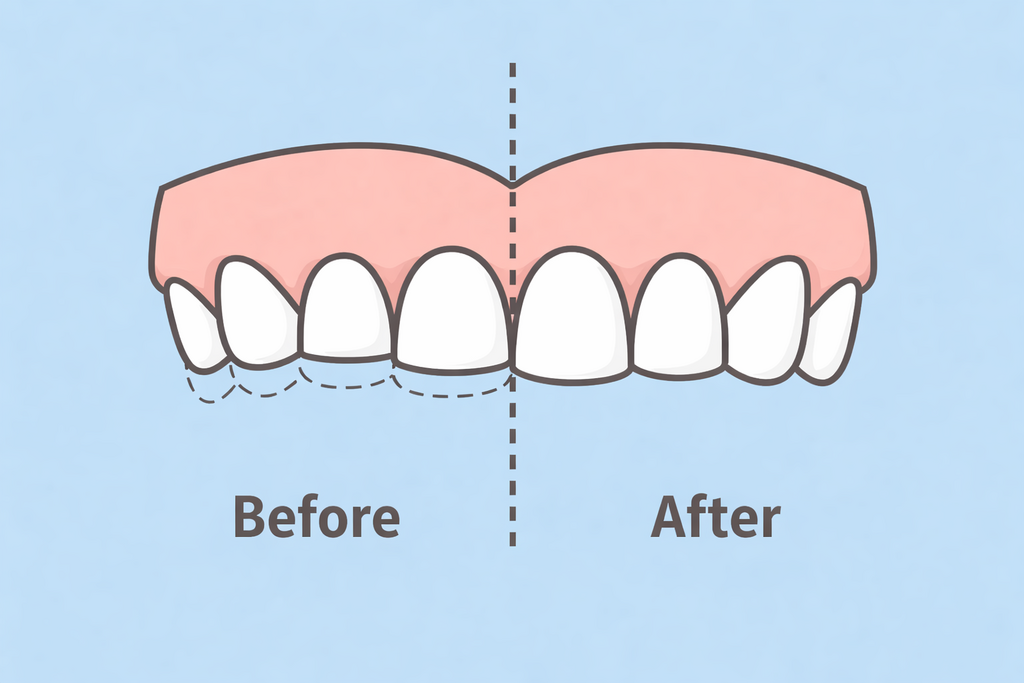
Attrition is caused by direct contact between teeth, often due to:
What it looks like:
Common symptoms:
Abrasion occurs when teeth are worn away by external forces, most commonly:
What it looks like:
Overbrushing can damage enamel and gums, especially when combined with poor technique.
Erosion is caused by acid dissolving the tooth surface, without bacteria being involved.
Sources of acid include:
What it looks like:
Dietary acids are a major contributor to tooth erosion.
Treatment depends on the cause, severity, and symptoms.
Your dentist will tailor treatment to your specific situation.
Prevention focuses on reducing both mechanical and chemical damage:
The frequency of acid exposure is more harmful than quantity.
Non-carious tooth surface loss is a common but preventable condition. Understanding the difference between attrition, abrasion, and erosion helps identify the cause and guide treatment. With the right habits and early intervention, you can protect your teeth and maintain long-term oral health.