Brushing cleans the front, back, and chewing surfaces of your teeth — but it cannot clean between teeth. This is where plaque commonly builds up and where gum disease and tooth decay often begin. Cleaning between teeth daily with floss or interdental brushes is essential for maintaining healthy gums.
Research consistently shows that toothbrushes alone remove plaque from only about 60% of tooth surfaces, leaving the areas between teeth uncleaned.
Colgate professional guidance states that interdental cleaning removes plaque from areas a toothbrush cannot reach, helping prevent gum disease and cavities.
Oral-B educational resources also emphasise that plaque accumulation between teeth is a major contributor to gingivitis, periodontitis, and interproximal decay, and daily interdental cleaning significantly improves gum health.
Scientific reviews show that flossing combined with toothbrushing reduces gingivitis more effectively than brushing alone, particularly when performed correctly.
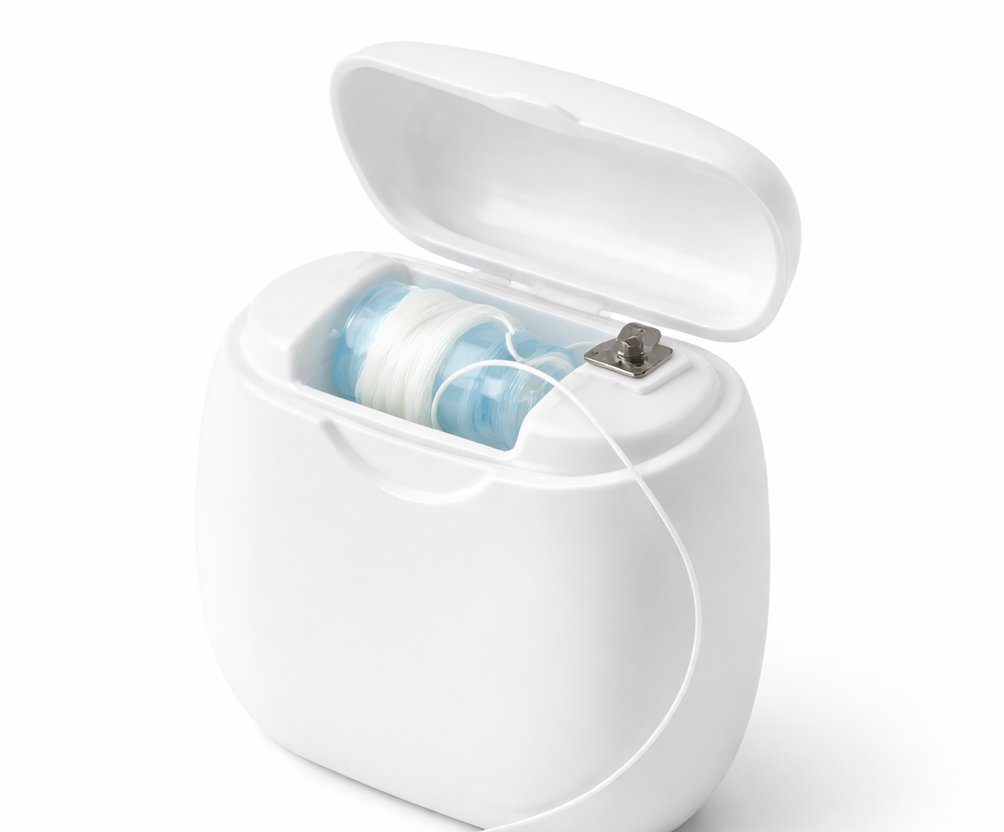
The most important step is curving the floss around the tooth, rather than simply snapping it straight up and down.
Colgate and Oral-B both recommend the C-shape technique for effective plaque removal under the gumline.
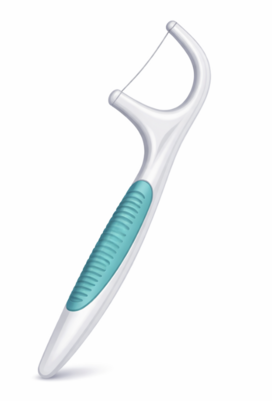
Although floss picks are convenient, it is still important to curve the floss around the tooth, not just pop it in and out.
Oral-B and Colgate both note that floss picks can be effective when used with correct technique, especially for improving patient compliance.
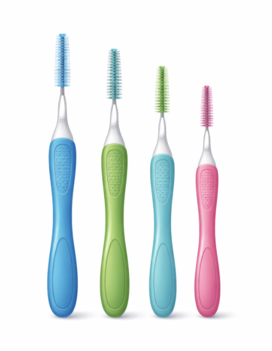
Interdental brushes should slide comfortably — forcing them can damage gums.
Colgate and Oral-B both recommend interdental brushes as an effective method for plaque removal between teeth, particularly for periodontal patients.
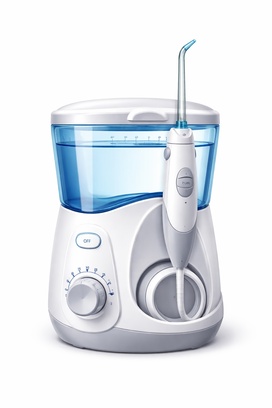
Start on Low Pressure
This helps prevent gum discomfort when first startin
Aim at the Gum Line
Place the tip:
Manufacturer guidance recommends placing the tip close to teeth and gently gliding along the gumline, pausing briefly between teeth.
Move Slowly from Tooth-to-Tooth
Do not rush — slow movement improves effectiveness
It depends on your teeth.
Use floss or floss picks if:
Use interdental brushes if:
Many patients benefit from a combination of both.