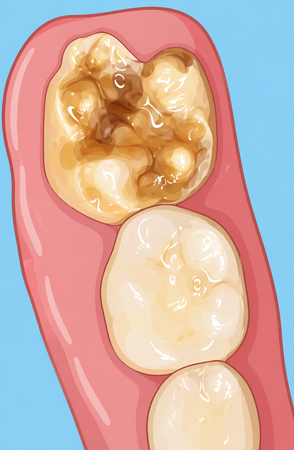
Hypomineralised teeth are common and occurs when the enamel (outer layer) has not developed properly. This means the enamel is softer, weaker, and more porous than normal. You may hear this condition referred to as Molar Incisor Hypomineralisation (MIH) when it affects adult molars and incisors.
The exact cause isn’t always clear, but it occurs during tooth development (before the teeth erupt).
Possible contributing factors include:
Often, there is no single identifiable cause, which can be frustrating for parents—but it’s important to know it is not due to poor brushing.
Hypomineralised teeth often appear different from healthy enamel:
These changes are usually seen on:
Children (and sometimes adults) with hypomineralised teeth may experience:
Because the enamel is weaker, these teeth are more vulnerable and need extra care.
Treatment depends on the severity of the condition and the child’s symptoms.
Your dentist will tailor treatment to your child’s needs, often taking a preventative, minimally invasive approach first.