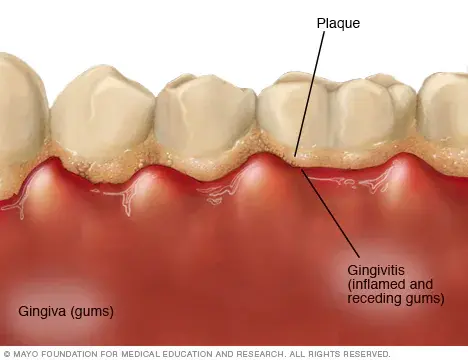
Gum disease (also called periodontal disease) is an infection and inflammation of the gums and supporting structures of the teeth, including bone. It usually develops slowly and may not cause pain in early stages, which is why many people don't realise they have it.
The condition typically begins with gingivitis (early, reversible gingivitis) and may progress to periodontitis, a more serious disease that can lead to tooth loss if left untreated.
The main cause of gum disease is dental plaque, a sticky film of bacteria that forms on teeth and the gum line. These bacteria release toxins that irritate the gums and trigger inflammation.
Gum problems start when germs in plaque cause gums to become red, puffy, and prone to bleeding, and the infection can eventually affect surrounding bone.
Common contributing factors include:
Gingivitis is the mildest and reversible form of gum disease. It occurs when plaque builds up at the gumline and causes inflammation. Typical signs include:
If gingivitis is not treated, bacteria spread below the gumline and damage the tissues and bone supporting the teeth. This stage is not fully reversible and requires professional care. Signs of periodontitis include:
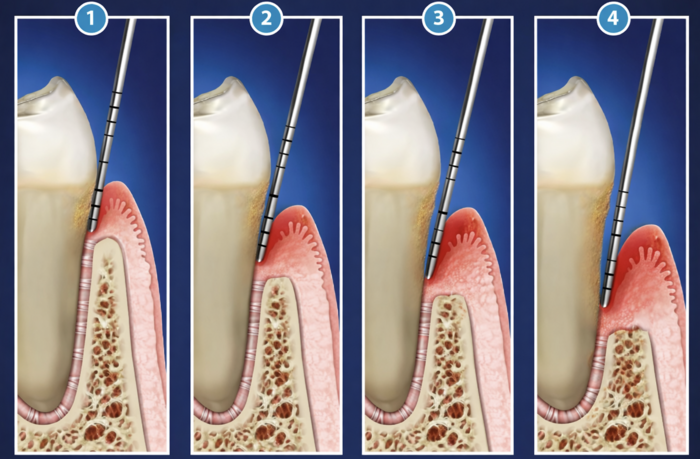
A periodontal pocket is the space between your tooth and gum. In a healthy mouth, the gum attaches tightly to the tooth, forming a shallow groove (usually 1-3 mm deep).
When gum disease develops, inflammation causes the gum to pull away from the tooth, creating a deeper space. This deeper space is called a periodontal pocket.
Periodontal pockets trap bacteria, plaque and food debris. They are difficult to clean with brushing and flossing alone. The deeper the pocket, the higher the risk of bone loss and tooth mobility.
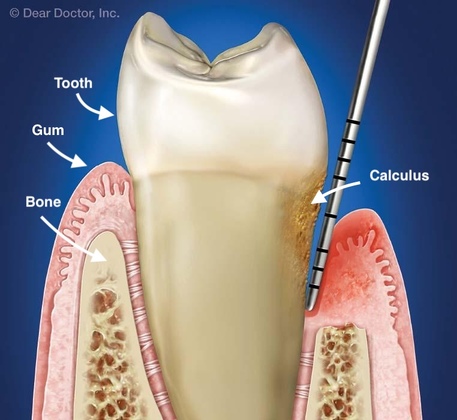
Your dentist or oral health therapist measures these pockets using a small probe - this helps determine the severity of gum disease, as well as the response to non-surgical treatment (root planing).
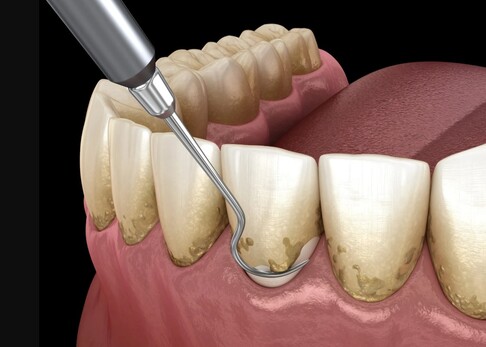
Treatment depends on severity but may include:
Gum disease doesn't just affect your mouth. Advanced periodontal disease can destroy the surrounding bone supporting the teeth, leading to tooth mobility and eventual tooth loss.
Research also links between periodontal disease and systemic conditions such as:
Gum disease doesn't just affect your mouth. Advanced periodontal disease can destroy the surrounding bone supporting the teeth, leading to tooth mobility and eventual tooth loss.
Research also links between periodontal disease and systemic conditions such as:
Prevention is largely based on consistent plaque removal. Oral-B and Colgate both emphasise daily brushing and flossing to control plaque bacteria.
Dentists recommend:
1. Brush twice daily with fluoride toothpaste
2. Clean between teeth daily (floss/interdental brushes)
3. Use antimicrobial mouth rinses when indicated
4. Replace toothbrush every 3 months
5. Attend regular dental check-ups and professional cleans