Electric toothbrushes are highly effective at removing plaque and improving gum health — but only when used correctly. Many patients still brush too hard or use them like a manual toothbrush, which reduces their benefits.
This guide explains the correct technique and why electric toothbrushes are recommended by dental professionals.
How much pressure should you use?
Use very light pressure.
Brushing too hard does not clean better and may cause:
Many Oral-B and other electric toothbrushes include pressure sensors that alert you if you are brushing too hard.
Research shows excessive brushing force contributes to soft tissue trauma and cervical tooth wear, even when using powered brushes.
Most electric toothbrushes include a built-in timer to help ensure a full 2-minute brush.
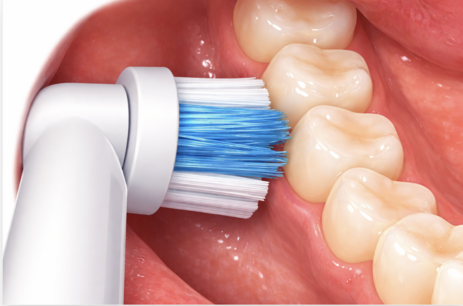
Scientific research consistently shows electric toothbrushes can provide superior plaque removal and gum health improvement.
A Cochrane systematic review found that powered toothbrushes with oscillating-rotating heads reduce plaque and gingivitis more effectively than manual toothbrushes in both short and long term use.
Oral-B professional guidance also notes that oscillating-rotating electric toothbrushes remove significantly more plaque along the gumline compared with manual brushing.
Colgate educational materials similarly state that electric toothbrushes can improve plaque removal and reduce gingivitis, particularly for patients with limited dexterity or inconsistent brushing technique.