Dry mouth, also known as xerostomia, occurs when there is not enough saliva in the mouth. Saliva plays an essential role in maintaining oral health, comfort, digestion, and protecting the teeth from decay.
Many people experience occasional dry mouth, especially during periods of stress or dehydration. However, persistent dry mouth can increase the risk of tooth decay, gum disease, oral infections, and difficulty eating or speaking.
Saliva helps to:
Without enough saliva, the mouth becomes more vulnerable to disease and discomfort.
Dry mouth can occur for many different reasons.
One of the most common causes of xerostomia is medication use. Hundreds of medications may reduce saliva production, including:
The risk increases when multiple medications are taken together.
Not drinking enough fluids can reduce saliva production. Dehydration may occur due to:
Breathing through the mouth, especially during sleep, can dry the oral tissues significantly.
This may occur due to:
Tobacco products and vaping can contribute to oral dryness and irritation.
Certain medical conditions are associated with dry mouth, including:
Radiotherapy to the head and neck region can damage salivary glands and significantly reduce saliva production. Some chemotherapy medications may also contribute to dry mouth.
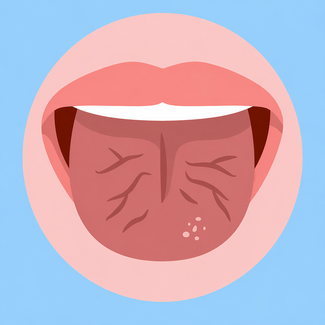
People with dry mouth may experience:
Dry mouth can also increase the risk of:
Saliva helps neutralise acids and remineralise the teeth. When saliva levels are low, acids and bacteria remain on the teeth for longer periods.
This can lead to:
People with xerostomia often require closer preventive dental care and regular monitoring.
Treatment depends on the underlying cause.
Sip water regularly throughout the day to help keep the mouth moist.
Sugar-free chewing gum or sugar-free lozenges may help stimulate saliva production, especially products containing xylitol.
Artificial saliva sprays, gels, or rinses may provide temporary relief for some patients.
Addressing nasal congestion or sleep-related breathing issues may help reduce overnight dryness.
Try to reduce:
These can worsen oral dryness and irritation.
If medications are contributing to dry mouth, your doctor may be able to adjust the dosage or suggest alternatives. Never stop medications without medical advice.
Excellent oral hygiene is especially important for patients with xerostomia.
Helpful recommendations include:
Your dentist may also recommend:
Many people notice dry mouth is worse overnight due to reduced saliva flow during sleep.
Helpful strategies may include: