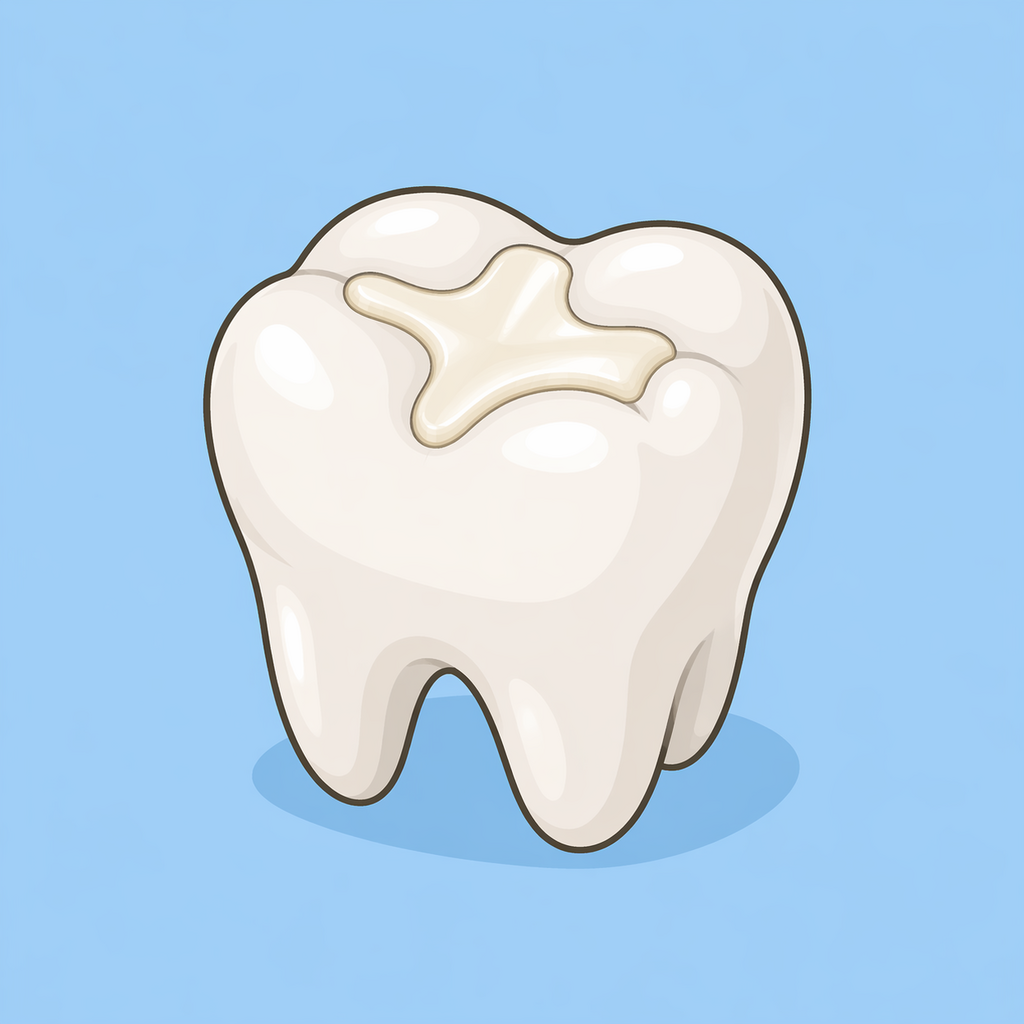
Dental fillings are one of the most common and effective treatments in modern dentistry. This guide explains what they are, why they are needed, the different types available and how to care for them.
What is a Filling?
A dental filling is a treatment used to restore a tooth that has been damaged by decay, wear or minor fracture. The decayed portion of the tooth is removed, the area cleaned, and a material is placed to "fill" the space and rebuild the tooth.
Fillings help to restore normal shape and function, prevent bacteria from re-entering the tooth and stopping decay from progressing further.
Without treatment, decay can spread deeper into the tooth, potentially leading to infection, pain, or the need for more complex procedures like root canal treatment or extraction.
The most common reason for a filling is tooth decay (dental caries). Decay occurs when bacteria in the mouth feed on sugars and produce acids that weaken and break down tooth enamel.
Other reasons include:
Early treatment is key—small cavities are easier, quicker, and less costly to treat.
There is no single “best” filling material—your dentist will recommend an option based on your needs, the tooth location, and your preferences.
The dental filling procedure is straightforward and usually completed in one visit:
Most patients experience little to no pain during the procedure
After a filling, it’s normal to experience mild sensitivity for a short time. Good oral hygiene and care will help your filling last for many years.
After Care Tips
With proper care, fillings can last many years, depending on the material and oral hygiene.