Bruxism (Clenching & Grinding)

Bruxism is the habit of grinding, clenching, or gnashing your teeth, often unconsciously.


It can occur:

    • During sleep (sleep bruxism)
    • While awake (awake bruxism) 


Many people are unaware they have bruxism until symptoms develop or a dentist identifies signs of tooth wear during a check-up.
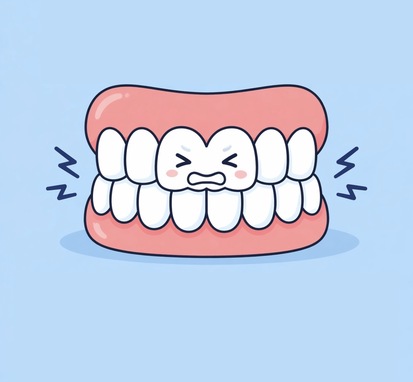
Bruxism can affect both your teeth and jaw muscles. Common signs include:

    • Tooth wear or flattening of teeth
    • Chipped, cracked, or loose teeth
    • Jaw pain or stiffness
    • Headaches (especially on waking)
    • Facial, neck, or ear pain
    • Tooth sensitivity (hot/cold)
    • Clicking or discomfort in the jaw joint (TMJ)

In some cases, a partner may notice a grinding noise during sleep before you notice symptoms yourself.

Bruxism is considered multifactorial, meaning there is often more than one contributing factor. These may include:

Stress & Anxiety

    • One of the most common triggers, especially for awake bruxism
    • Emotional stress can lead to unconscious clenching and grinding


Sleep Factors

    • Sleep disorders (e.g. snoring or sleep apnoea)
    • Poor sleep quality


Lifestyle Factors

    • Caffeine, alcohol, or smoking
    • High stress lifestyles


Medications and Medical Conditions

    • Some medications (e.g. stimulants, some antidepressants)
    • Neurological or behavioural factors

While mild cases may not cause harm, ongoing bruxism can lead to significant oral health issues:

    • Progressive tooth wear (attrition)
    • Cracked teeth or restorations
    • Gum recession
    • Jaw joint problems (TMJ disorders)
    • Chronic facial pain and headaches

Over time, excessive grinding can permanently damage the structure of teeth and affect your bite.

A dentist can diagnose bruxism through:

  • Clinical examination (checking for tooth wear, cracks, muscle tenderness)
  • Discussion of symptoms (e.g. headaches, jaw pain)
  • Sometimes sleep or behavioural history

Often, diagnosis happens during a routine dental check-up when early signs are noticed.

There is no single “cure,” but effective management focuses on protecting teeth and addressing underlying causes.


Night Guards (Splints)

  • Custom-made dental appliances worn during sleep
  • Prevent teeth from grinding against each other
  • Help reduce muscle strain


Stress Management

  • Relaxation techniques (e.g. meditation, exercise)
  • Psychological support or councelling if needed


Lifestyle Changes

  • Reduce caffeine and alcohol intake
  • Improve sleep hygiene


Dental Management

  • Repair damaged teeth (fillings, crowns)
  • Monitor wear over time


Behavioural Therapies

  • Biofeedback or habit-awareness techniques for daytime clenching

Book a Check Up Today